Natural Capital Symposium
The purpose of the Natural Capital Symposium is to bring together Natural Capital thought leaders from around the globe to review their natural capital approaches, share new ideas, and address gaps and barriers.


The purpose of the Natural Capital Symposium is to bring together Natural Capital thought leaders from around the globe to review their natural capital approaches, share new ideas, and address gaps and barriers.

The Alberta economy depends heavily on natural resource extraction. These activities can have significant environmental and social impacts on regions in which they operate.
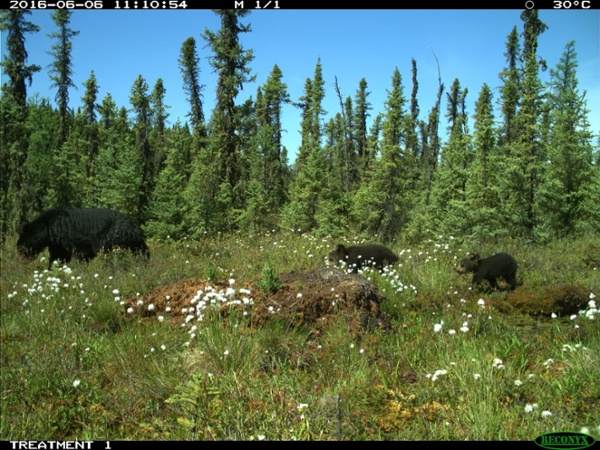
In recent years, there have been ongoing improvements in resource exploration techniques that have allowed for faster recovery of the impacted forest.
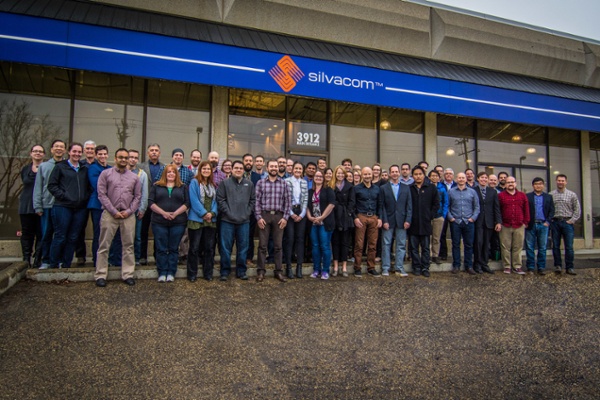

I find that I am often asked what the Silvacom name means and/or where it came from, so I asked Bob Morton, one of our founding partners and our current CSO and Chairman of the Board to pen a quick blog that explains the history behind the Silvacom name and brand.
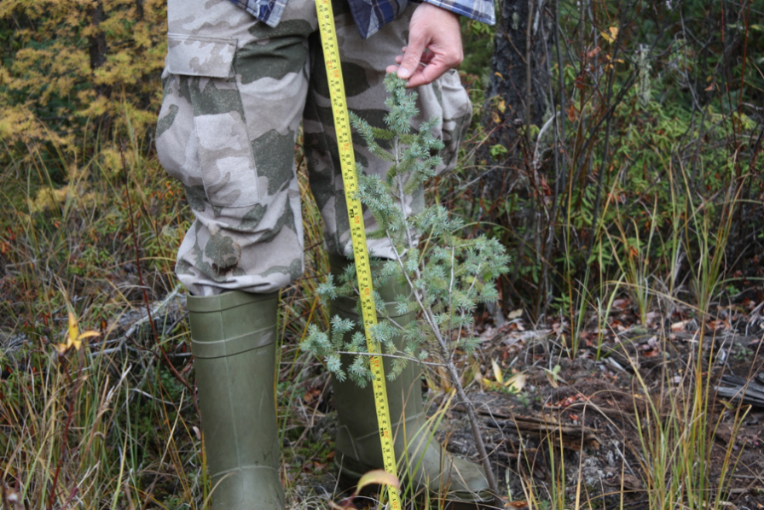
Monitoring programs provide us with valuable information to help assess the various innovative linear restoration techniques we have trialled and their effectiveness at achieving desired ecological outcomes including improving undisturbed caribou habitat.

ALUS Canada is a Canada-wide not-for-profit organization that encourages the delivery of ecosystem services by partnering with agricultural producers to set aside marginal lands or cost-share the implementation of a number of best management practices.
With more public and government pressure to decarbonize the economy, carbon heavy industries are having to adapt to remain competitive in these new market conditions.
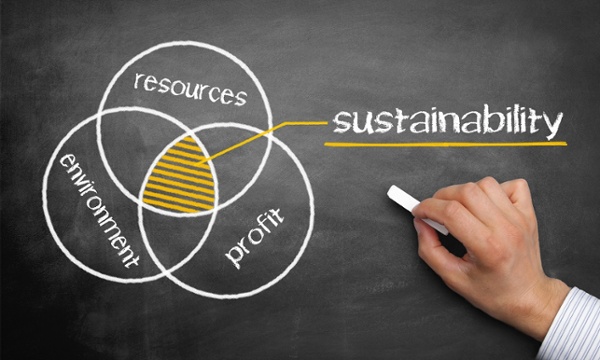
Natural capital is defined as the earth’s stock of natural assets. These assets can be renewable and non-renewable resources, including; air, soil, forests, and water, to name a few. The benefits people derive from the combined flow of natural capital have been coined ecosystem services.

Government regulation has long been the traditional mechanism employed to avoid environmental degradation. These Command and Control (CAC) policies tell companies what the environmental standards are and how to meet them.
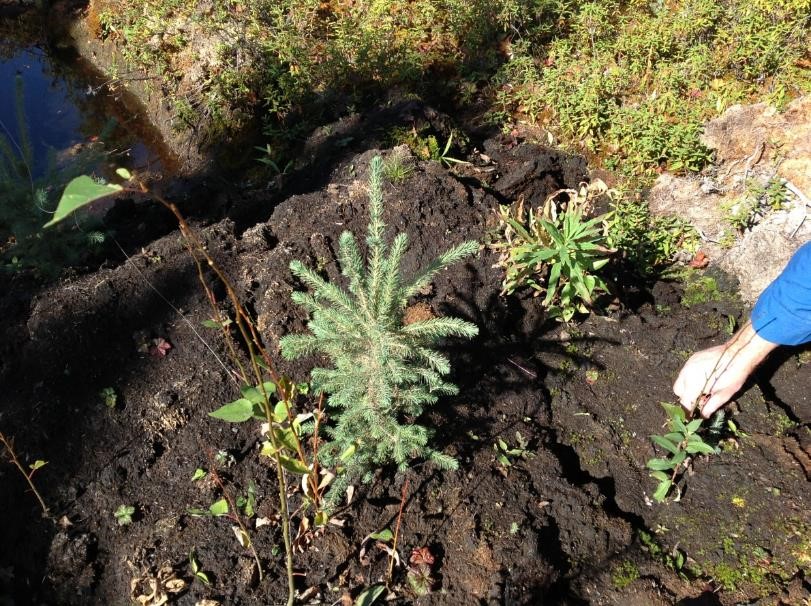
While conventional linear restoration programs have concentrated on reducing the amount of fragmentation in caribou habitat, there is now a focus on the additional benefits that occur on the land base in the form of ecosystem services (ES).
Silvacom (head office)
201 - 4723 52 Ave NW
Edmonton
Alberta, T6B 3R6
Canada
Stay up to date with the latest Silvacom news, blogs and job postings by following us on social media.